SANDSTONE STAIRCASE RESTORATION
In the trace of centuries
WORDS AND PHOTOGRAPHY: BEATRIX TORMA
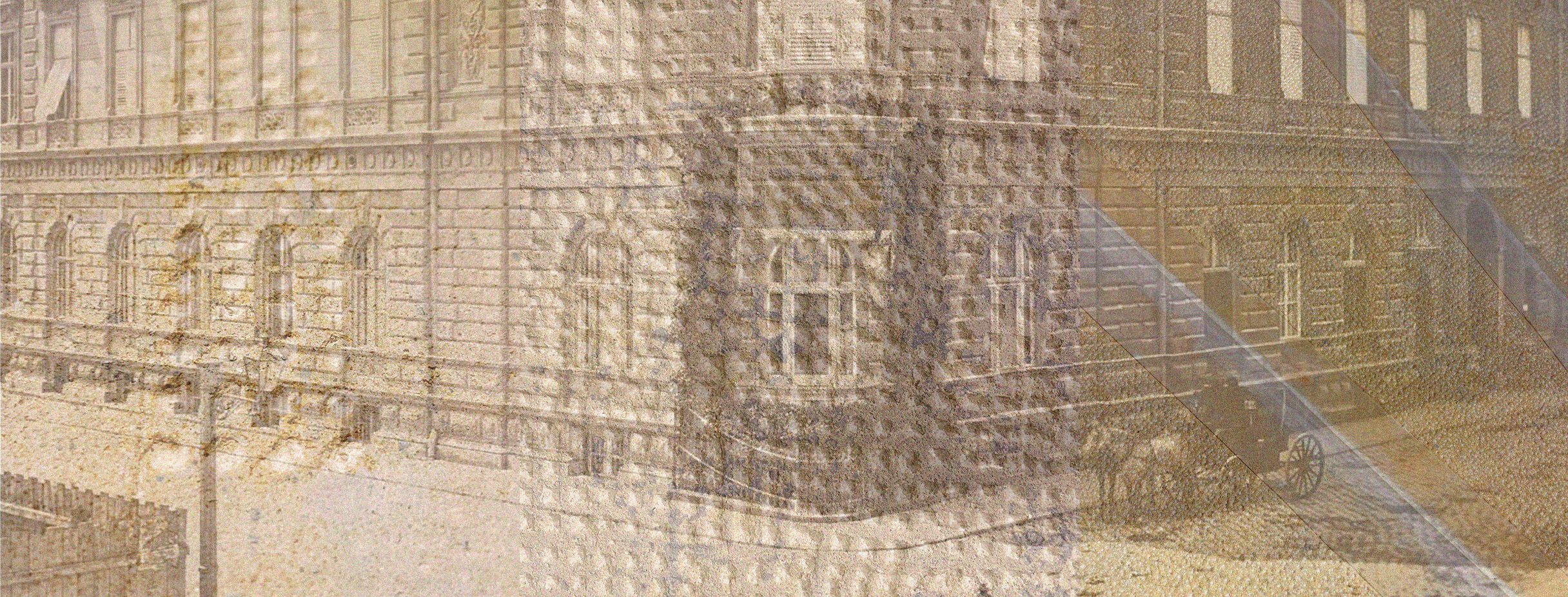
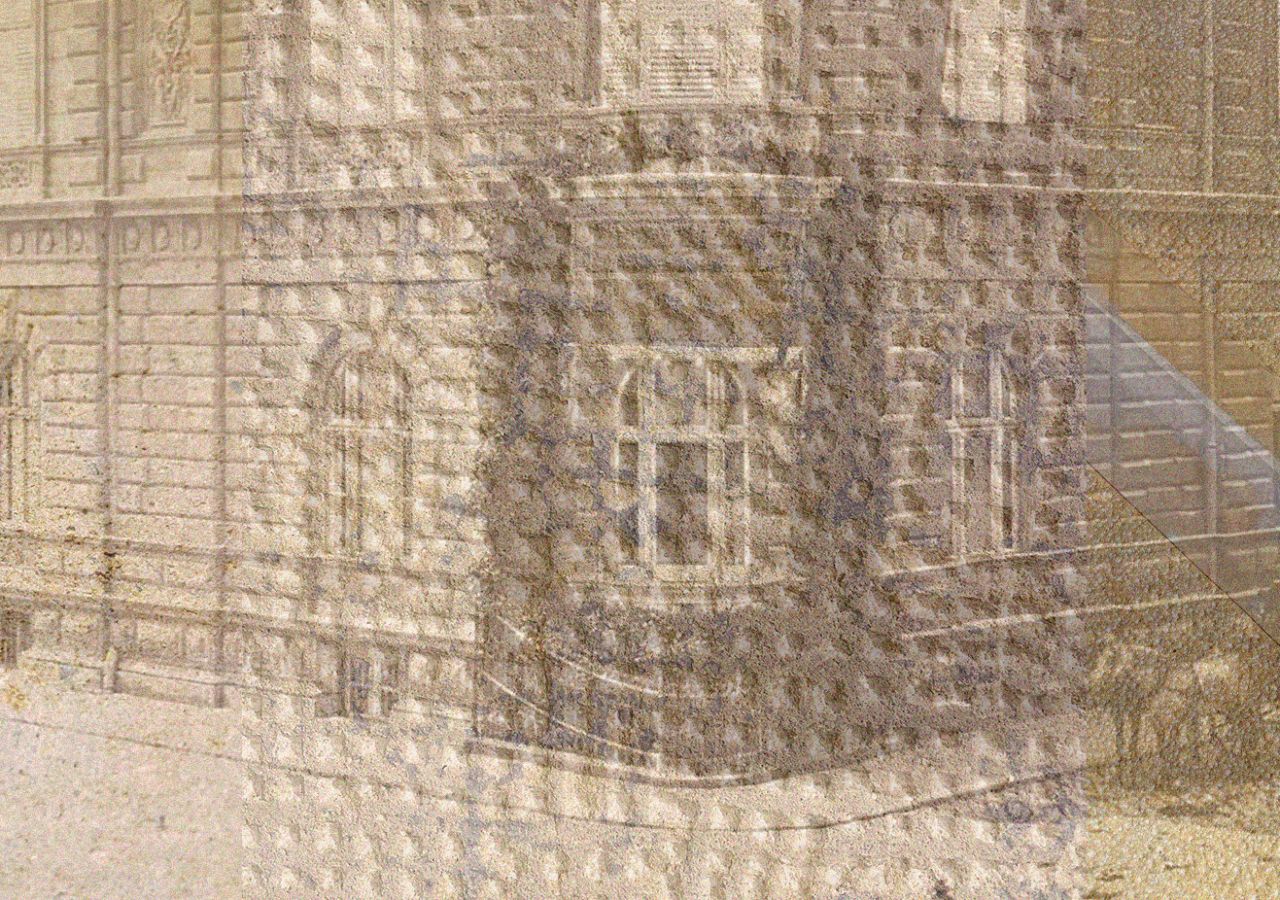
The architectural landscape of Budapest's inner districts is defined by historic buildings that make use of Italian Renaissance forms, which were constructed as a result of the city's rapidly growing development in the two decades following the Compromise. The Károlyi Palace in Józsefváros was built in 1869 in the Neo-Renaissance style based on the plans of the Szkalnitzky and Koch architectural firm, where Iamart produced monolithic terrazzo coverings similar to the original and carried out the sandstone staircase restorations.
ORTHODOX CHRISTIAN DIALOGUE CENTER
RENOVATION OF SANDSTONE STAIRS
The Italian Renaissance style of the Károlyi Palace, built on the joint commission of Ede Károlyi and Sándor Károlyi, was probably chosen by the clients in order to adapt to the demands of the age, as the interior was designed in French Rococo and Baroque styles. A particularly spectacular part of the building is the octagonal staircase, whose ceiling is decorated with a fresco by Károly Lotz depicting the myth of Aurora.
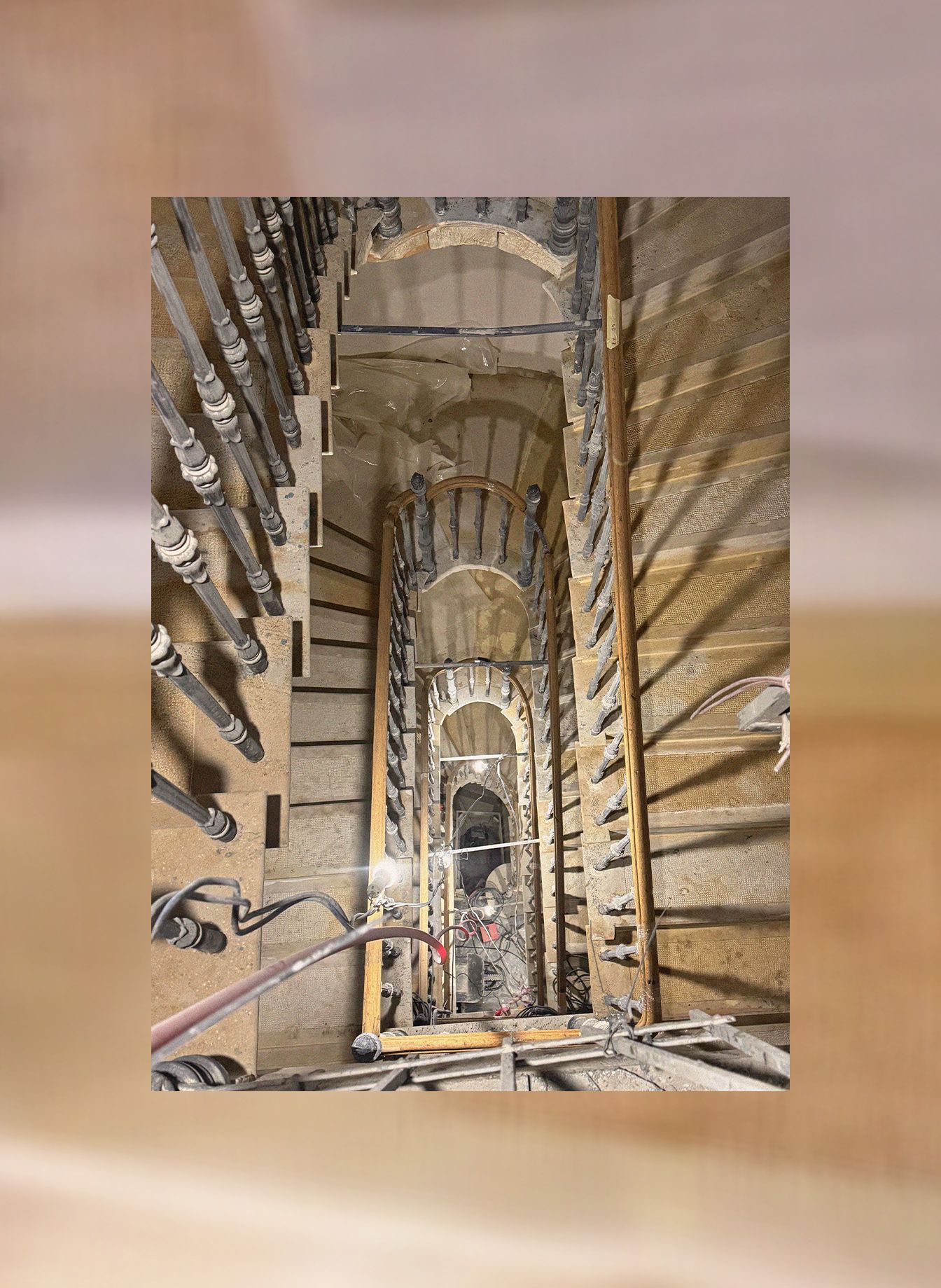
The sandstone staircase, which has been completely restored by Iamart, is an architectural element of the building's less ornate staircase, which is under heritage protection, and consists of 82 steps. The staircase is made of sandstone.
The landings between the stair turns, which are also protected, were demolished or partially demolished, and the manufacturer replaced the cast-in-place monolithic terrazzo covering with a new monolithic terrazzo covering similar to the original. Here, the covering was identified based on a sample provided by the customer.
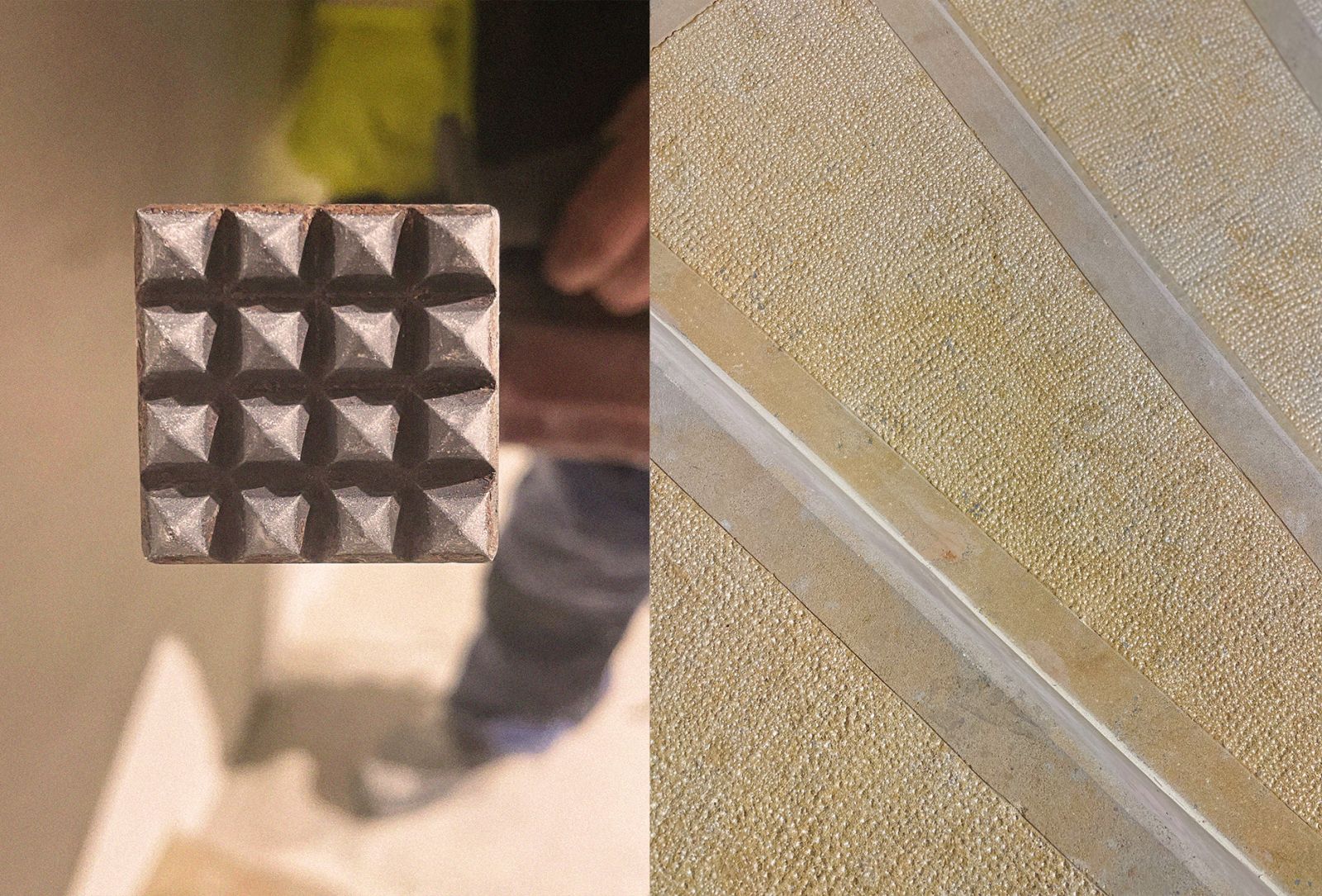
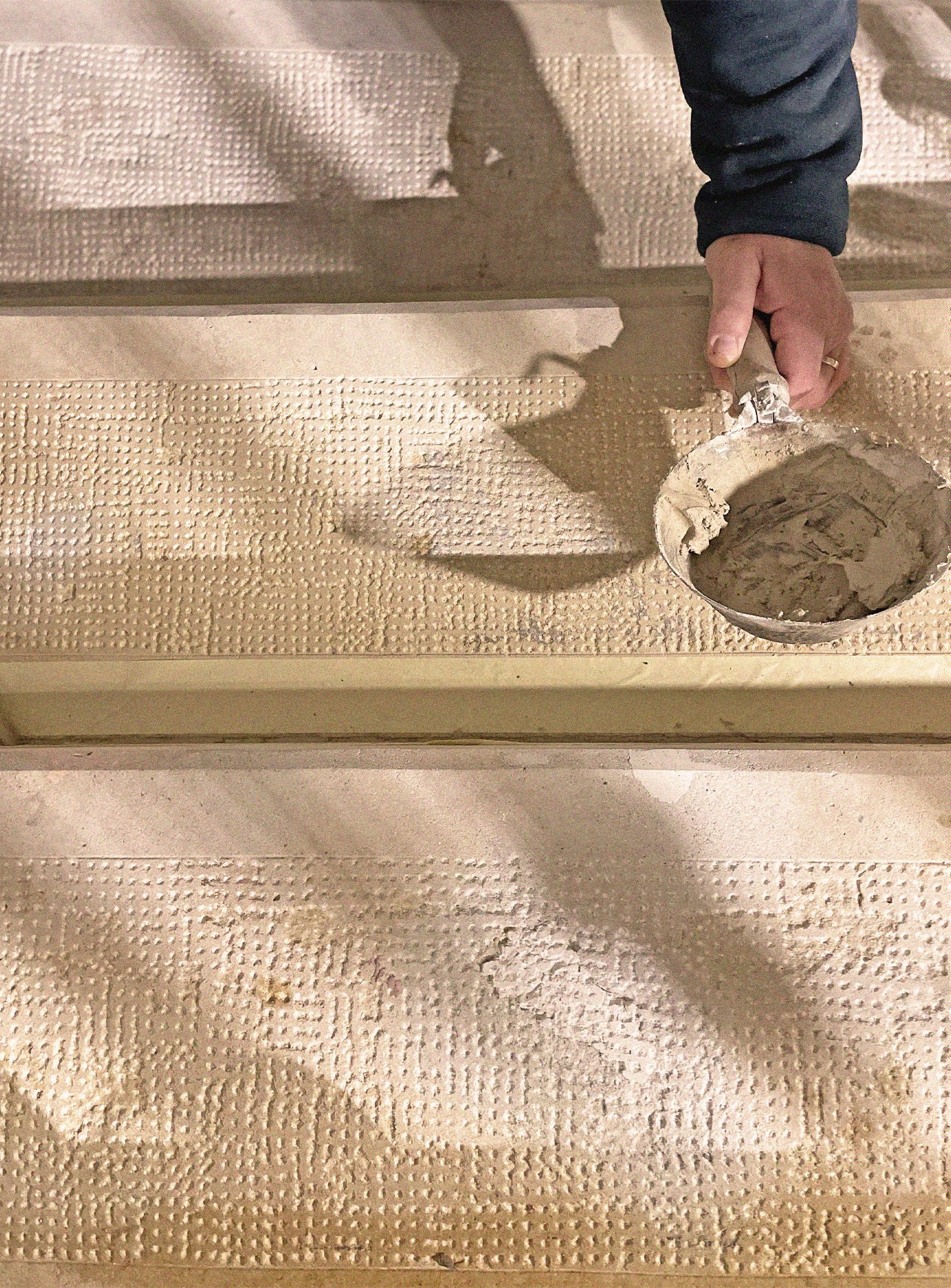
Simple, decorative, and functional
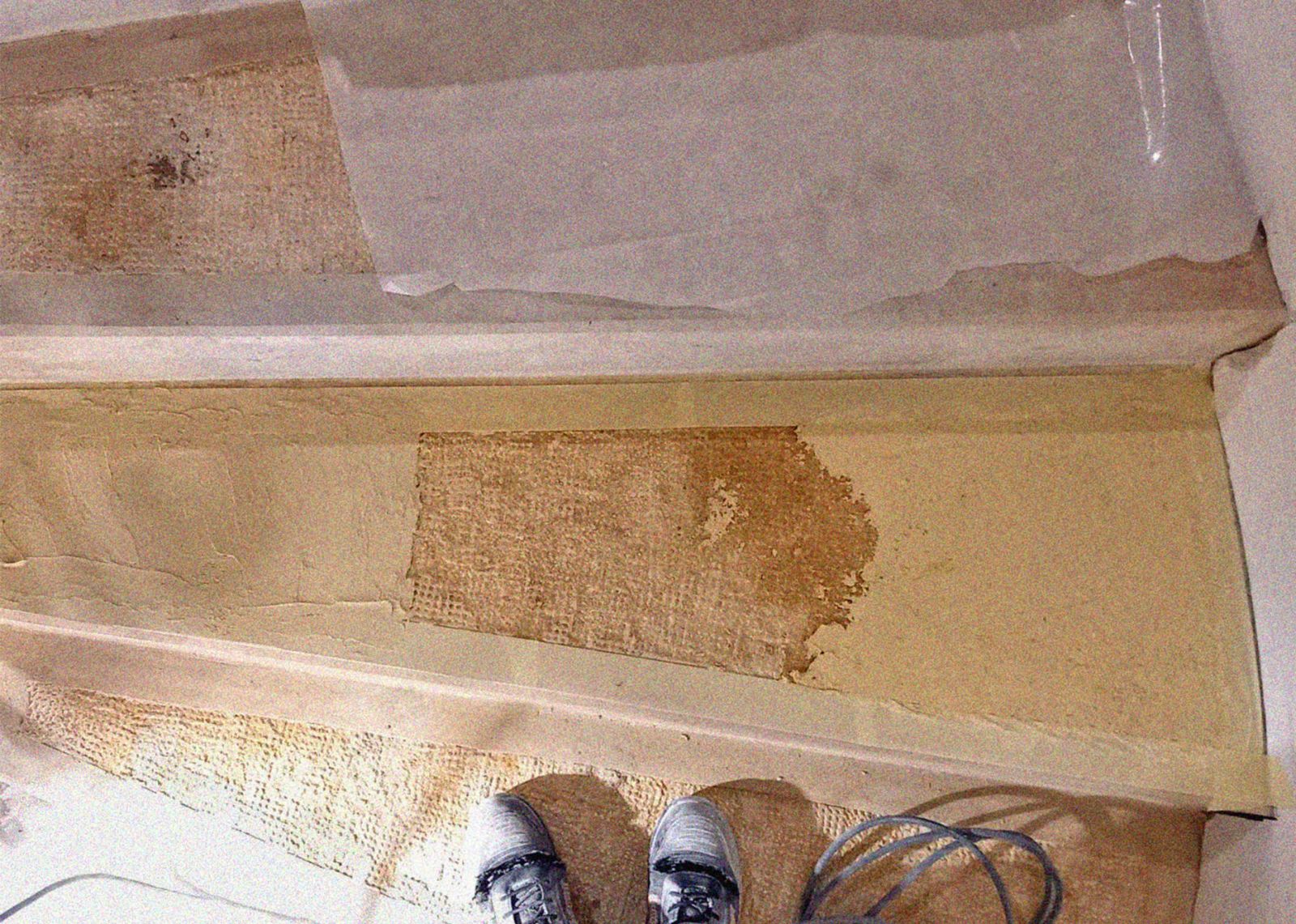
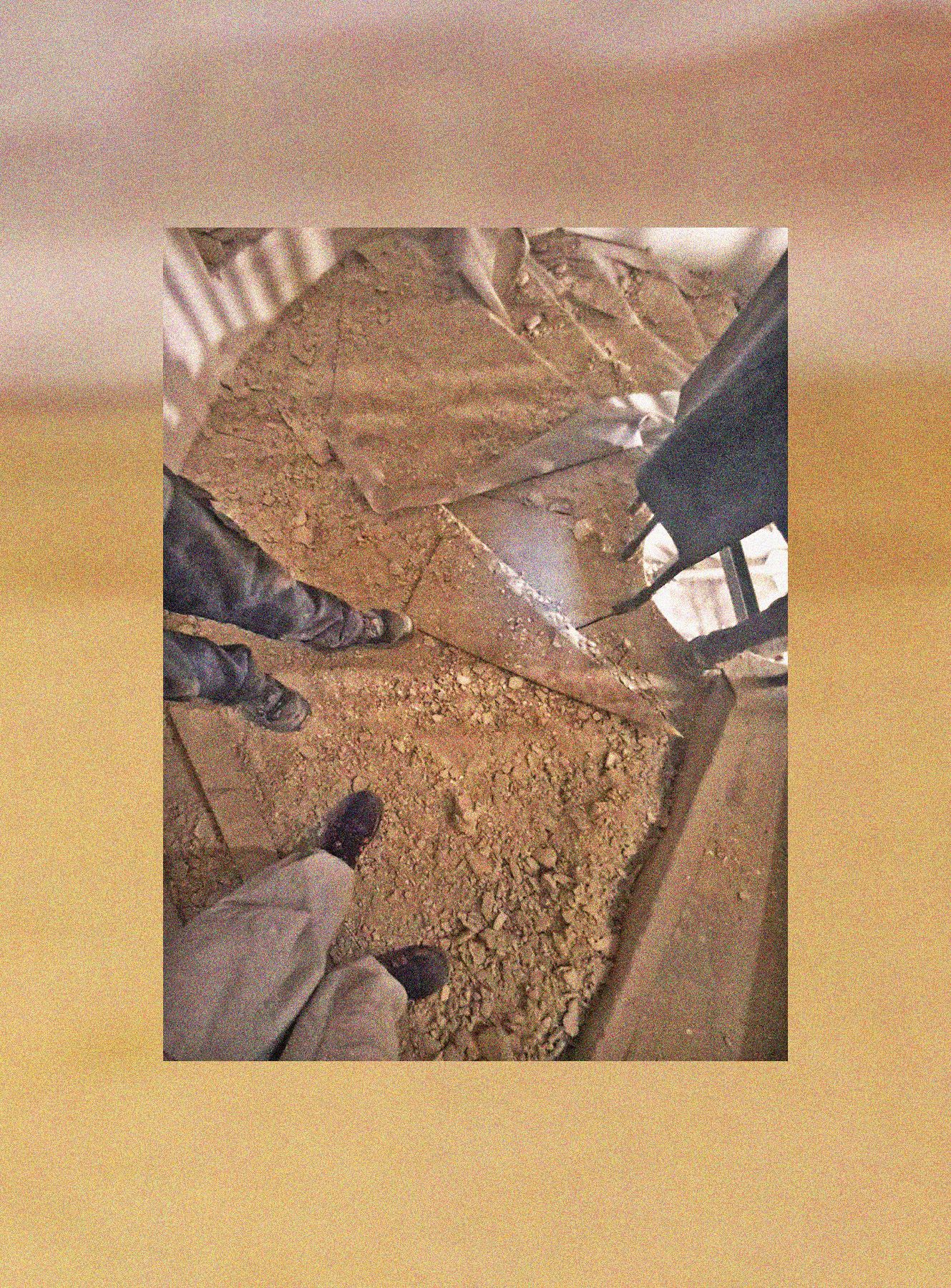
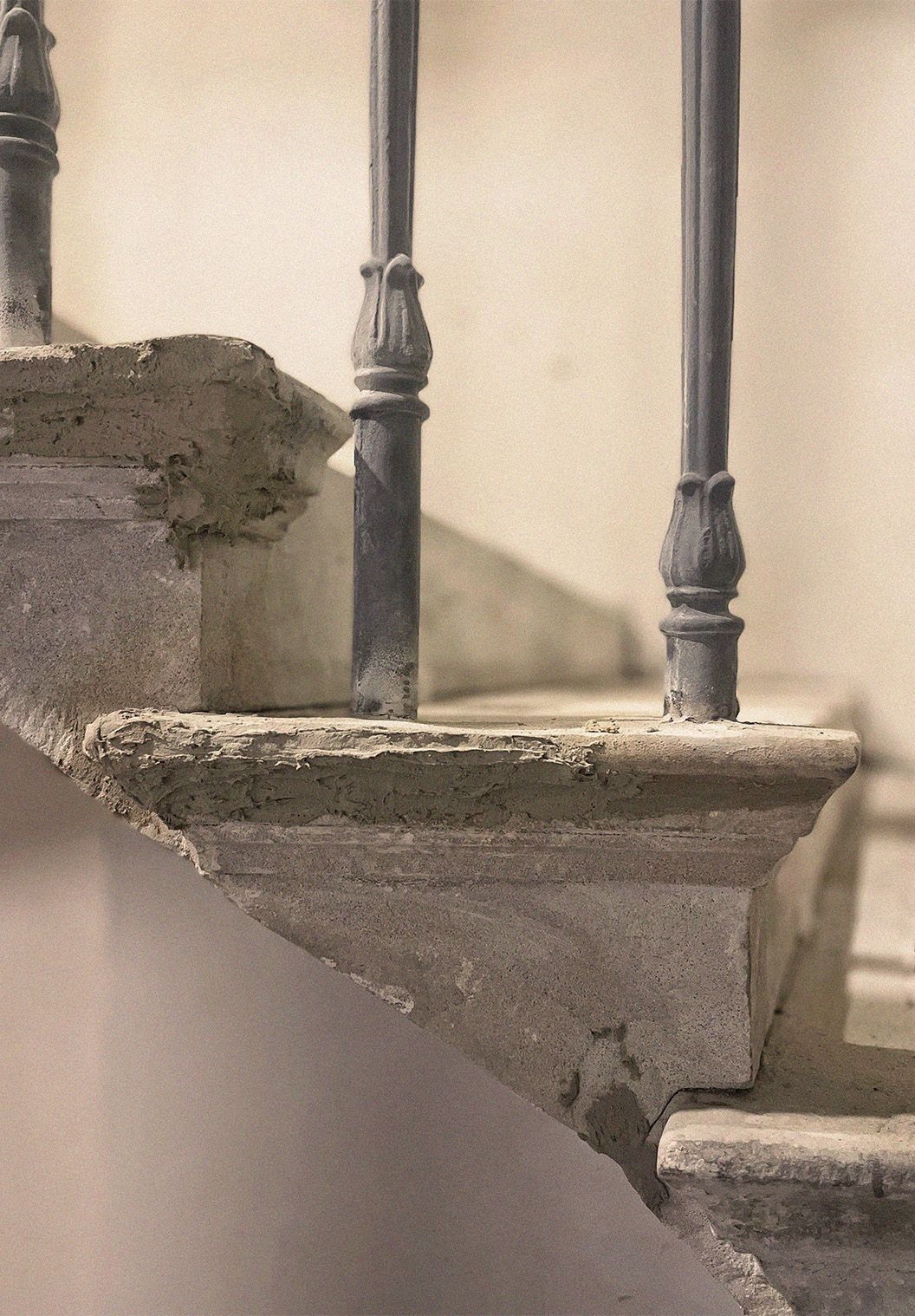
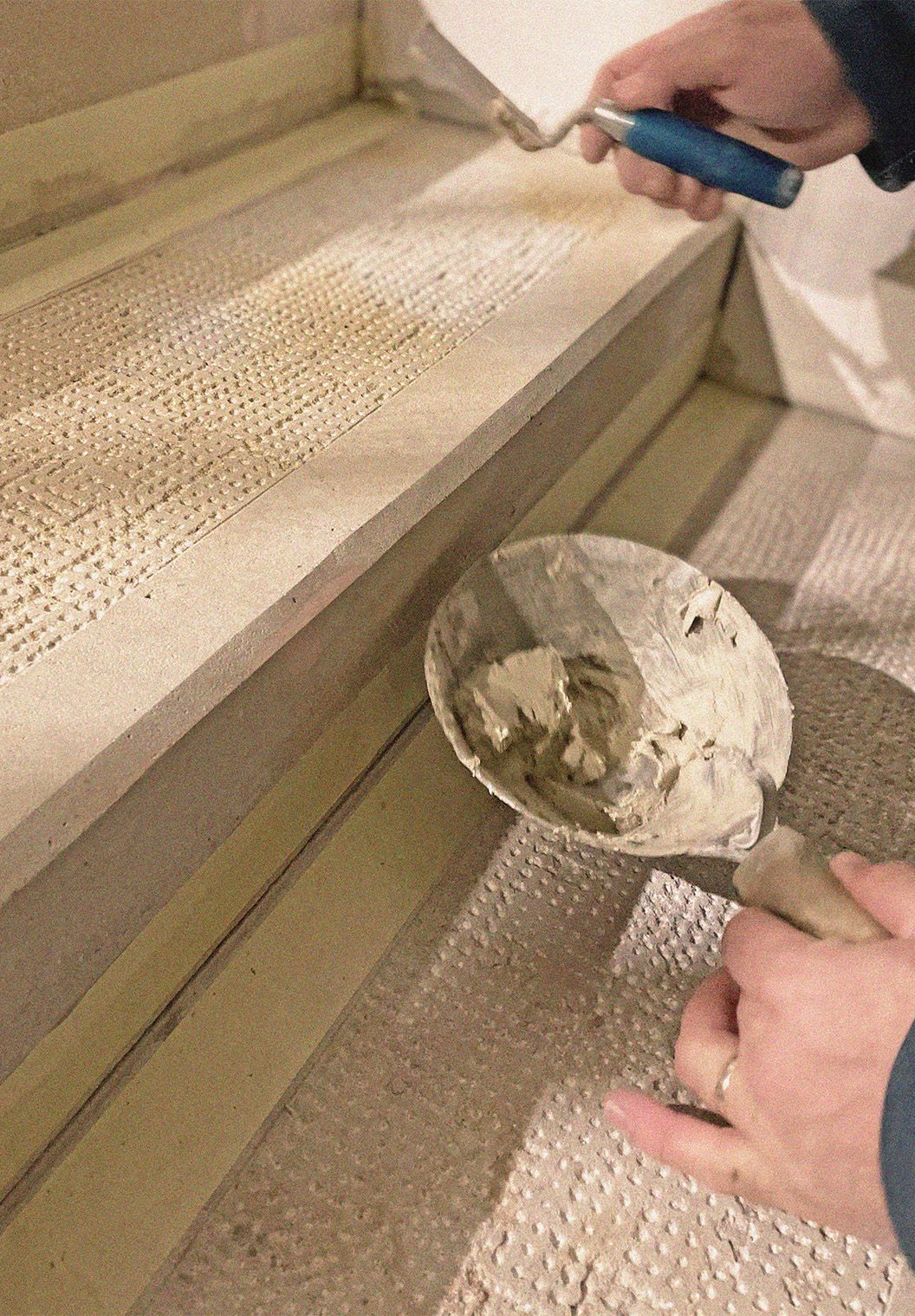
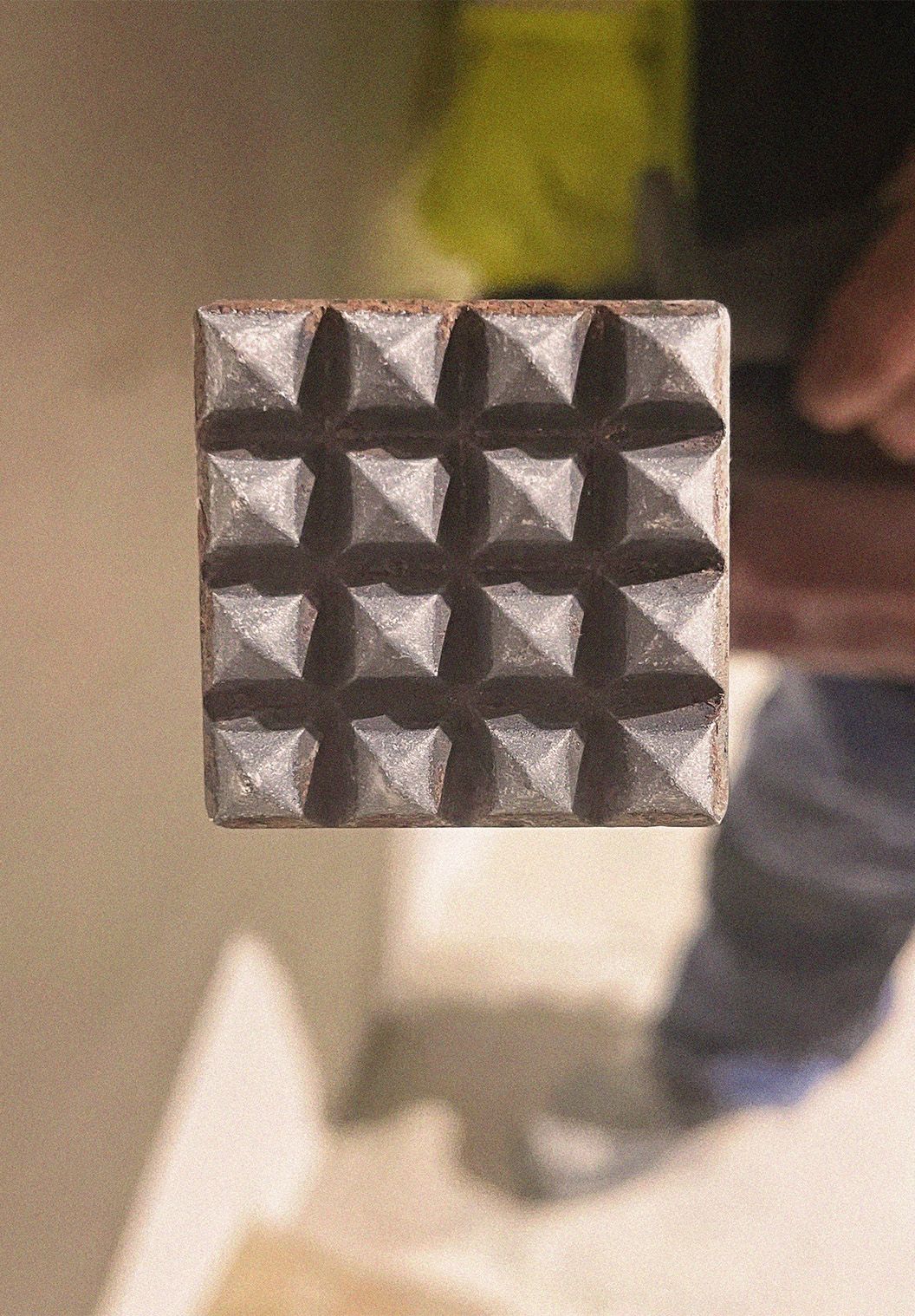
When work began, the staircase elements and connecting parts were significantly damaged and worn, with cracks of various sizes found on the steps. The staircase was covered with layers of old paint and plaster from different periods, as well as dirt. The decorative and non-slip grouting was fragmented and worn, and due to the nature of sandstone, many centimeters of potholes and indentations had formed in many places over decades of use.
Sandstone has been used as a building and covering material since ancient times. Sandstone is a sedimentary rock, so its color depends on the quality of its components and can vary greatly. The color can vary from light yellow to shades of red to greenish and blackish. The reddish discoloration is caused by iron-containing components, while the dark gray and blackish color variations indicate a predominance of feldspars. Sandstone is known for its natural strength and durability. Sandstone covers the facades of houses in Jerusalem, and the rose-red capital of the Nabataean civilization, Petra, was also built from this rock.
After uncovering and cleaning the surfaces, Iamart staff identified nine different colors. The restoration of the staircase took many months. These images show some details of this meticulous work and the creation of the non-slip, stuccoed surface.
Source of the photo depicting Sándor Károlyi's palace used in the opening image: Fortepan / Budapest City Archives / Photos by György Klösz / György Klösz
